The Life of Birds — Miniseries
10 episodesFirst aired 21 October 1998
 E1
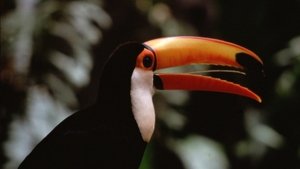
E1To Fly or Not to Fly?
Oct 199850m
The first episode looks at how birds first took to the skies in the wake of the insects. It begins in Mexico, where Attenborough observes bats being outmaneuvered by a red-tailed hawk.
 E2
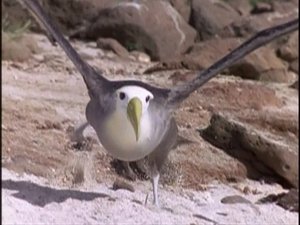
E2The Mastery of Flight
Oct 199850m
The second programme deals with the mechanics of flight. Getting into the air is by far the most exhausting of a bird's activities, and Attenborough observes shearwaters in Japan that have taken to climbing trees to give them a good jumping-off point.
 E3
E3The Insatiable Appetite
Nov 199850m
A look at the constant need to feed necessitated by the demands of flight in species from sap suckers and crows, to robins and geese.
 E4
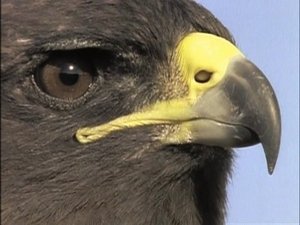
E4Meat-Eaters
Nov 199850m
This epsiode looks at those birds that have become strictlt meat eaters from eagles and hawks to owls and vultures.
 E5
E5Fishing for a Living
Nov 199850m
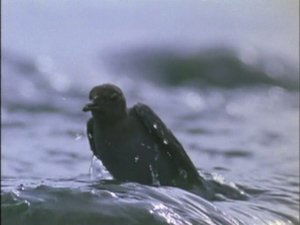
A look at those birds that look to fishing as their main food source. From gulls and ducks to cormorants and cranes.
 E6
E6Signals and Songs
Nov 199850m
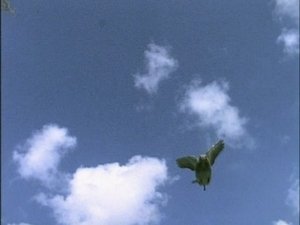
A look at the way birds communicate. The program shows us how calls of warning can unite a community of birds against a larger predator and how other calls may be used to attract mates.
 E7
E7Finding Partners
Dec 199850m
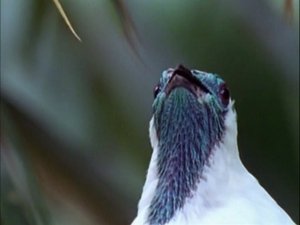
A look at how birds attract and select mates. The survey ranges from common birds such as the sparrow to the more exotic frigate birds, and Jamaican hummingbirds. Other segments concentrate on the dancing associated with the courtship of grebes and the artistic collections of bower birds.
 E8
E8The Demands of the Egg
Dec 199850m
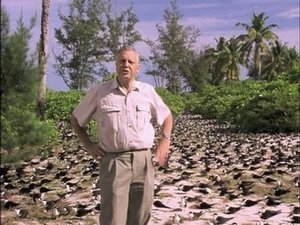
A look at eggs and what birds go through to produce and protect them. This epsiode ranges from the mating flights to fledging of their offspring. Species examined include frigate birds and toucans as well as weaver birds and cuckoos.
 E9
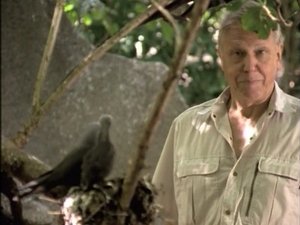
E9The Problems of Parenthood
Dec 199850m
This episode looks at the problems birds face in raising their young. It ranges from parrots who are very active parents to cuckoos who are famous for foisting the job off on others.
 E10
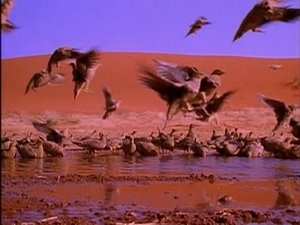
E10The Limits of Endurance
Dec 199850m
A look at how birds deal with hostile environments and with people. The episode ranges from crows in Japan that use traffic to crack nuts to penguins who never see a person but make long treks through frigid wastes.